
Gurley AL Neighborhood Guide: What to Expect in 2026
Gurley sits along U.S. Highway 72, about 16 miles east of downtown Huntsville, offering a small-town base within a growing regional economy. According to U.S. Census QuickFacts, the town’s 2020 population fell in the range of 800 to 900 residents, keeping a close-knit scale even as nearby suburbs expand. This Gurley AL neighborhood guide looks ahead to 2026, outlining housing trends, schools, outdoor assets, and commuting patterns that shape decisions for buyers and renters comparing eastern Madison County options.
How is Gurley, AL positioned within the Huntsville area?
Gurley’s location along U.S. Highway 72 provides direct access to Huntsville’s employment centers in roughly 20 to 25 driving minutes during typical traffic conditions. The corridor between Gurley and Hampton Cove passes landmarks such as Big Cove Creek and Little Cove Road, linking residents to shopping in the Hampton Cove area and medical services near Governors Drive. The small downtown around Section Line Road and Third Street preserves historic storefronts that contrast with newer commercial clusters toward Owens Cross Roads and eastern Huntsville.
According to Wikipedia, Gurley incorporated in the late 19th century as a railroad town, and the Norfolk Southern line still parallels Highway 72. That rail heritage shapes the town’s linear layout, with many homes within a mile of the tracks and the historic depot area. The surrounding foothills of Keel Mountain and the Paint Rock Valley provide scenic backdrops, while Huntsville’s major job centers at Redstone Arsenal and Cummings Research Park sit about 18 to 22 miles away, depending on the chosen route.
Regional growth has increased traffic counts along Highway 72, but Gurley’s immediate street grid remains compact, with key roads such as Church Street, Third Avenue, and Walnut Street maintaining residential character. According to planning documents summarized by the City of Huntsville, the greater metro area surpassed 500,000 residents in recent years, and that expansion continues to push demand eastward. Gurley’s relative affordability compared with central Huntsville and Madison keeps pressure on available inventory, especially within a 5-mile radius of town limits.
What housing options stand out in Gurley by 2026?
Housing in Gurley ranges from older cottages near Section Line Road to newer subdivisions closer to Big Cove and Owens Cross Roads. According to Zillow, typical home values in Gurley during early 2026 fall broadly between $250,000 and $450,000, with larger custom properties on Keel Mountain and in the Big M Acres area often exceeding $600,000. These figures remain below many Huntsville and Madison neighborhoods west of Memorial Parkway, which can push median values into the $400,000 to $550,000 range.
Subdivisions along Little Cove Road and Old Gurley Pike feature brick traditional homes, some with lot sizes in the range of 0.3 to 0.6 acres, while rural stretches on Cherry Tree Road and along the Paint Rock River include farmhouses and manufactured homes on multi-acre tracts. According to Realtor.com, active listings in Gurley often number fewer than 40 homes at any given time, contributing to low inventory conditions. That scarcity, coupled with Huntsville’s job growth, supports steady price resilience, particularly for move-in-ready homes within about 10 minutes of Highway 72.
On summer evenings in the subdivision streets off Keel Mountain Road, porch lights glow softly against the dark tree line while crickets hum in the background. The scent of charcoal drifts from backyards in communities like Big M Acres as residents grill dinner, and children ride bikes along the smooth asphalt near Madison County High School’s athletic fields. Occasional train horns from downtown Gurley echo faintly across the valley, reminding long-time residents of the town’s railroad roots.
How strong are schools and community resources in Gurley?
Schools represent a central consideration in this Gurley AL neighborhood guide, especially for households comparing eastern Madison County with Madison City or Huntsville City districts. Gurley falls within Madison County Schools, with Madison County Elementary School on College Street and Madison County High School on Brock Road serving most local students. According to the district site, Madison County High enrolls roughly 450 to 550 students, offering programs in career tech, athletics, and fine arts alongside core academics.
GreatSchools ratings place Madison County High in the mid-range, with a score around 6 to 7 out of 10 in recent years, based on data compiled by GreatSchools. Madison County Elementary holds similar mid-tier ratings, creating a balanced profile for families prioritizing smaller campus sizes over large suburban schools. According to Madison County Schools, student-to-teacher ratios across the system often fall in the range of 17:1 to 20:1, supporting more individualized attention than some larger metro districts.
Community resources extend beyond the classroom. The Gurley Public Library on Third Street, housed in a modest brick building, offers computer access, reading programs, and local history archives. Town Hall on Section Line Road manages permits, park maintenance, and community events, while volunteer organizations coordinate fundraisers at the nearby community center. According to SmartAsset, Madison County’s effective property tax rate generally ranges from about 0.3% to 0.5%, which helps keep ownership costs competitive compared with many other regions.
What is daily life like around Gurley’s parks and outdoor spaces?
Outdoor access is one of Gurley’s most distinctive advantages, as Keel Mountain and the Paint Rock Valley border the town to the south and east. The Keel Mountain Preserve, maintained by the Land Trust of North Alabama, sits roughly 5 miles from downtown along Keel Mountain Road. According to the Land Trust of North Alabama, the preserve includes more than 300 acres of protected land and several miles of hiking trails, including the popular Chestnut Springs loop.
On cool autumn mornings at Keel Mountain Preserve, fallen leaves create a soft rustle beneath hiking boots while mist hangs above the rocky ledges. The air carries the sharp scent of wet sandstone and pine near the trailhead off Keel Mountain Road, and sunlight gradually filters through the trees, illuminating spiderwebs along the path. From certain overlooks, distant views stretch toward Hampton Cove and the glint of traffic along Highway 72, reminding hikers how close town remains.
Closer to the center of Gurley, local youth leagues use ball fields near Madison County Elementary School, and informal play often spills onto Church Street and Walnut Street sidewalks. The Big Cove Creek Greenway, accessed about 8 to 10 miles west in Hampton Cove, provides an extended paved path for cycling and jogging along the waterway. According to regional trail maps maintained by the Land Trust of North Alabama, combined greenway and preserve mileage in the eastern Huntsville area exceeds 25 miles, giving Gurley residents significant low-cost recreation options.
How does the Gurley real estate market behave heading into 2026?
Market behavior in Gurley reflects a blend of regional demand and local supply constraints. According to current home-value trends tracked by Zillow, Gurley’s typical home value has risen in a range of roughly 4% to 7% annually over several recent years, roughly in line with broader Huntsville-area appreciation. The smaller housing stock, however, means that a single new subdivision or a cluster of higher-end homes on Keel Mountain can shift median figures noticeably from quarter to quarter.
Inventory often stays tight. Realtor data indicates that months of supply in Gurley have frequently hovered near 1.5 to 2.5 months, based on recent reports by Realtor.com. In practical terms, that level of supply suggests a seller-tilted environment, particularly for properties under about $350,000 within a 20-minute commute of key Huntsville employers. Higher-priced listings, such as custom homes above $700,000 around Big Cove or along Cherry Tree Road, may experience slightly longer marketing times, yet still benefit from regional in-migration.
Financing conditions also play a role. According to national program guidelines summarized by HUD, FHA-insured mortgages allow minimum down payments as low as 3.5%, which supports first-time buyers targeting smaller Gurley homes or townhouses. Conventional loan limits in Madison County surpass $750,000 as of 2024, leaving room for higher-end purchases without jumbo financing. Combined with Madison County’s comparatively modest property tax rates, these structures help maintain Gurley’s appeal for households prioritizing value and outdoor proximity over urban density.
How should buyers approach the Gurley AL neighborhood guide takeaways for 2026?
This Gurley AL neighborhood guide highlights that housing values in the $250,000 to $450,000 range and limited inventory near Highway 72 shape the local playbook. According to Realtor.com, active listings fluctuate seasonally, often clustering in late spring and early summer when school calendars shift. In many recent years, the number of available homes in Gurley during peak season stayed below 50, suggesting that extended hesitation can narrow practical choices quickly, especially for households seeking move-in-ready options near Madison County Elementary School.
Commuting patterns and recreation access provide additional context. The approximately 16-mile distance to downtown Huntsville and roughly 12-mile drive to key employment nodes near Memorial Parkway make Gurley realistic for daily travel while still feeling distinctly rural. Big Cove Creek Greenway, Keel Mountain Preserve, and the Paint Rock Valley create an outdoor network within about 15 to 20 minutes of most Gurley addresses. That proximity tends to support long-term satisfaction for residents who value weekend hiking, cycling, or fishing along rivers and creeks more than nightlife or dense retail corridors.
The population figure in the range of 800 to 900 residents cited at the start of this guide reflects the scale that currently defines Gurley’s housing stock, infrastructure, and community rhythm. That compact number from the opening underscores both the limited inventory and the personal nature of neighborhood interactions here. The ValleyMLS regional listing system offers the most detailed real-time snapshot of Gurley properties hitting the market. Buyers who register listing alerts there and commit to touring promising homes within 24 to 48 hours of activation before the late-spring surge in May typically secure better pricing and stronger terms, while those delaying decisions until after early-summer contract spikes often confront reduced selection and heightened competition.
FROM OUR BLOG
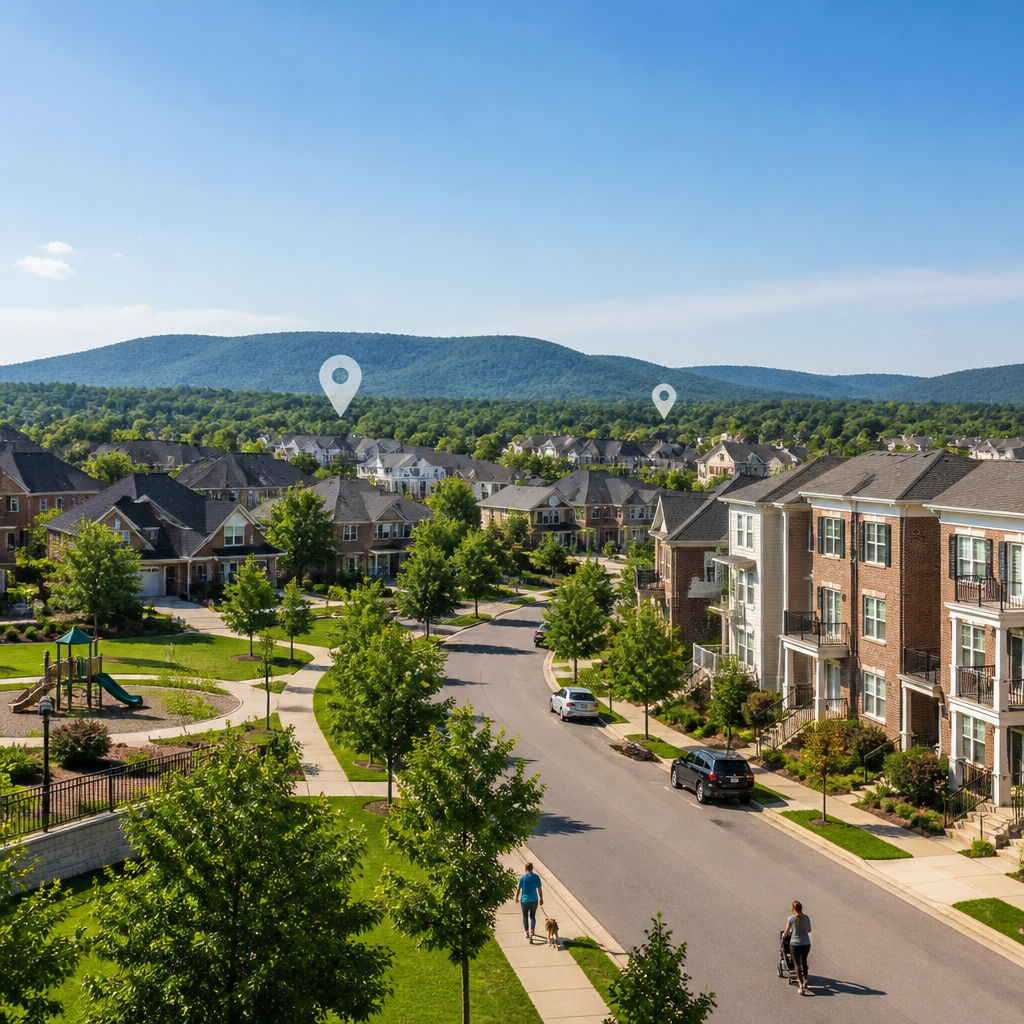
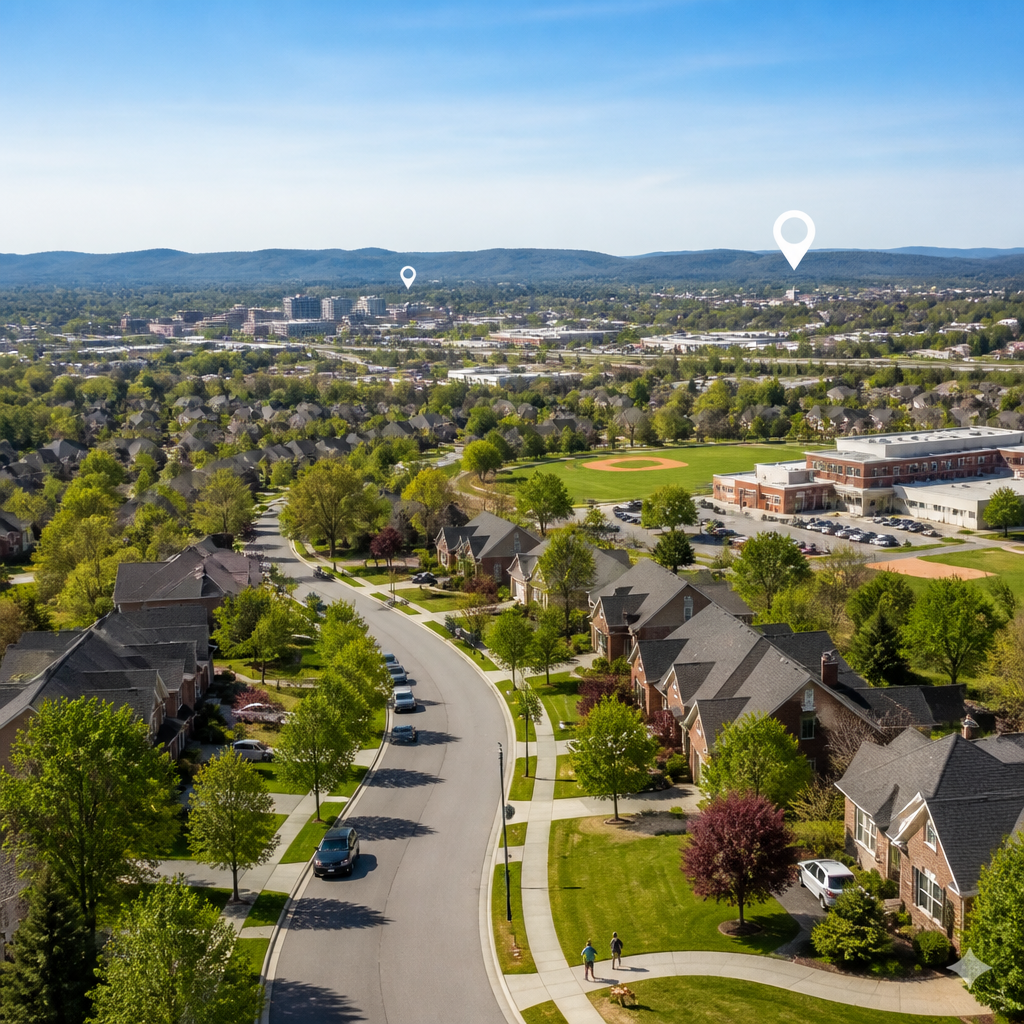
Moving to Madison AL: Essential Tips for New Residents in 2026
Moving to Madison AL: Essential Tips for New Residents in 2026 Moving to Madison AL in 2026 places new residents in one of North Alabama’s fastest-growing cities. According to U.S. Census Bureau QuickFacts, Madison’s population exceeded 58,000 residents as of 2023, reflecting steady growth tied to t

Owens Cross Roads Residential Properties: The 2026 Buyer’s Guide
Owens Cross Roads Residential Properties: The 2026 Buyer’s Guide Owens Cross Roads residential properties draw increased attention as Huntsville’s growth spills down U.S. Highway 431. According to U.S. Census QuickFacts, the city counted roughly 2,600 residents in 2020, yet new rooftops continue to